Under the Hood: Behind the Curtains of Significant Car Events
Car events are more than just gatherings of vehicles; they are celebrations of car culture that bring enthusiasts together from all walks of life. From MotorHype of neighborhood pride to grand international auto events unveiling the latest innovations, these events are a platform where passion, history, and innovation intersect. Whether you are a lover of vintage cars or an enthusiast of state-of-the-art electric cars, there is always something exciting to explore at a car festival.
As we explore the vibrant world of car events, we will take you backstage to understand what makes them so fascinating. From classic car exhibitions that celebrate traditional models to super car shows that highlight the peak of performance, each event presents a unique experience. Join us as we delve into the diversity of car exhibitions, motor shows, and automotive exhibitions that enchant people around the globe, shining a light on upcoming car shows and the narratives they share.
The Evolution of Car Shows
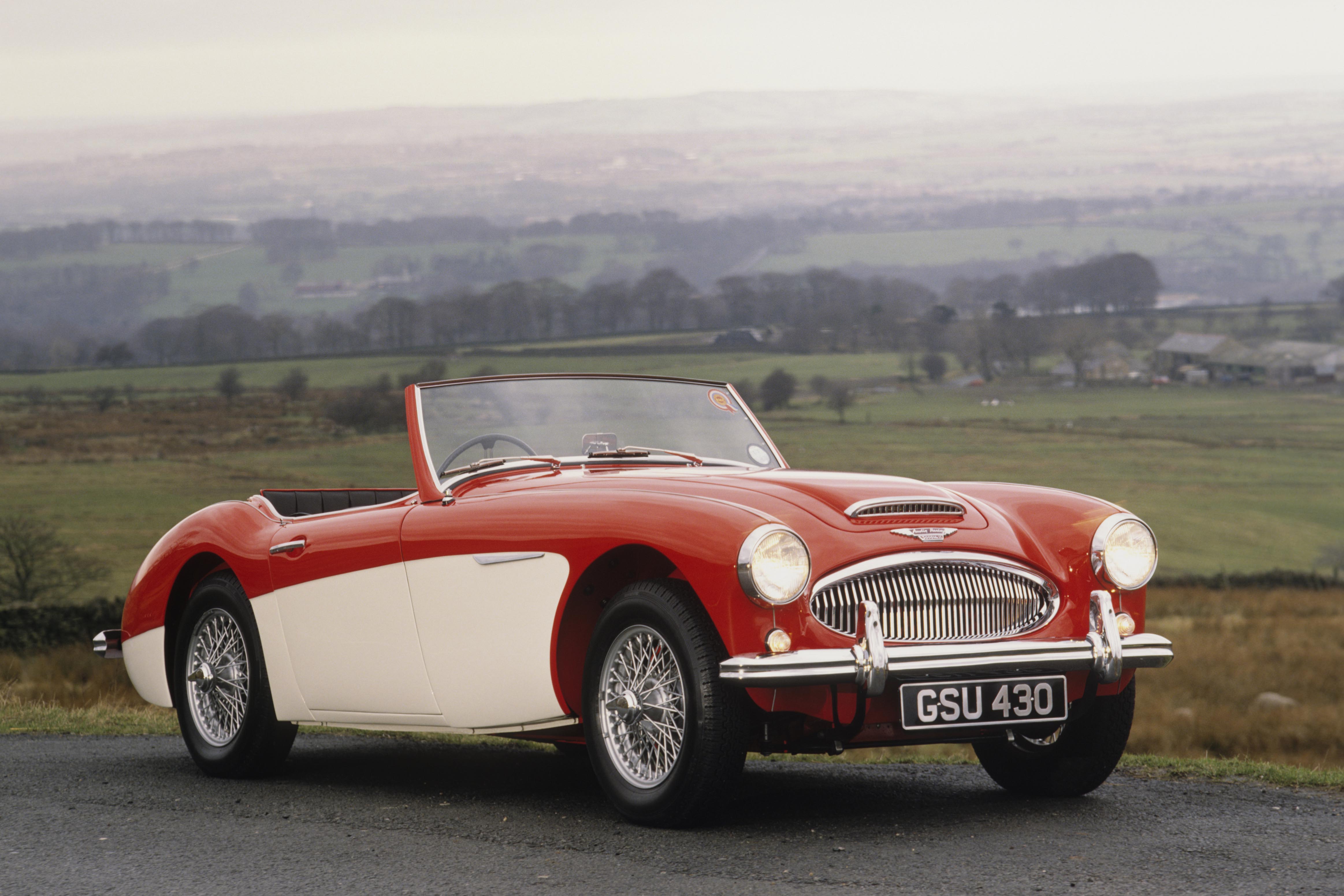
Vehicle showcases have come a long way since their inception in the early 20th century, evolving from modest meetups of car fans to major events that draw a multitude of visitors. In the early days, local car shows were primarily conducted by associations or automotive dealers to exhibit latest vehicles and connect with car lovers in the local area. These shows served as a venue for creativity, where manufacturers displayed their cutting-edge technologies, while attendees told tales and celebrated their common love for automobiles.
As car culture grew, so did the scope and range of shows. The introduction of classic car exhibitions marked a significant turning point, allowing collectors and enthusiasts to display vintage models that represented the legacy of vehicles. These classic car shows not only showcased the ∼artistry of antique cars but also encouraged a wave of nostalgia among attendees. Diverse themes began to appear, such as UK vehicle exhibitions and American auto shows, catering to diverse preferences within the car culture.
In the present day, car events encompass an array of styles, including motor shows, super car shows, and even EV auto shows, reflecting the industry's shift towards sustainability and advancements. The rise of personalized car events demonstrates the imagination and personalization within the vehicle realm, celebrating distinctiveness in vehicle design. As innovations progress, so too does the way we participate in these gatherings, with technology enhancements improving visitor engagement and attendance. The progress of car shows continues to fascinate audiences, showing that the passion for automobiles transcends eras and trends.
Features of Notable Car Expositions
Automotive festivals are a vibrant celebration of vehicle culture, bringing together lovers from various backgrounds to exhibit their passion. One of the key features of these gatherings is the chance to see a varied range of automobiles, from vintage classics to modern sports cars. These events often feature designated areas for specific types of automobiles, including classic car shows, tuned vehicle showcases, and even electric vehicle showcases. This range not only attracts automobile enthusiasts but also informs attendees about different automotive trends and history.
In addition, notable aspect of large car events is the interactive activities that are organized for both guests and viewers. Live demonstrations, competitions, and hands-on exhibits enhance the event while allowing enthusiasts to engage with the vehicle culture. Vehicle meetups often provide a platform for local clubs and businesses to showcase their works and offerings, making it a fantastic place to mingle and explore new passions in the automotive world. These connections foster a sense of camaraderie among attendees, connecting them in their mutual love.
Also, invited speakers and knowledgeable discussions are frequent at many automotive events. These talks provide knowledge into the newest industry trends, restoration techniques, and the direction of car technology, especially with the growth of electric cars. By merging enjoyment with education, festivals create an rewarding setting for both experienced car aficionados and novices. Ultimately, major car festivals are crucial for safeguarding automotive legacy while promoting progress and community connections within the automotive community.
Future Trends in Automotive Gatherings
As the auto industry continues to progress, the future of car events is set to adopt innovative technologies and developments. With the growing prevalence of electric vehicles, we can expect to see a surge in electric vehicle exhibitions that highlight advancements in eco-friendliness and performance. These shows will merely showcase electric and hybrid vehicles but also educate visitors on the benefits of eco-friendly innovations in the automotive world. This change toward sustainability will probably attract a younger audience that values environmental consciousness in their consumer choices.
Moreover, the integration of virtual experiences in car exhibitions is on the increase. Virtual reality and AR are becoming popular mechanisms for engaging attendees, allowing them to experience vehicles in interactive atmospheres without the barriers of a traditional setting. This could lead to a more engaging experience at numerous car festivals and vehicle expos, making it more accessible for visitors to connect with the vehicles and manufacturers present, irrespective of geographical barriers.
Finally, community-driven events like regional auto meets and vehicle meetups are bound to grow as enthusiasts seek to network over common interests. The growing availability of vehicle culture combined with the influence of social media in planning gatherings will foster a stronger sense of togetherness among automotive fans. This local enthusiasm will ensure that vintage car shows and custom car exhibitions continue to flourish, showcasing both legacy and progress in the auto sector.